BY: Sierra Kennedy
Published 10 months ago
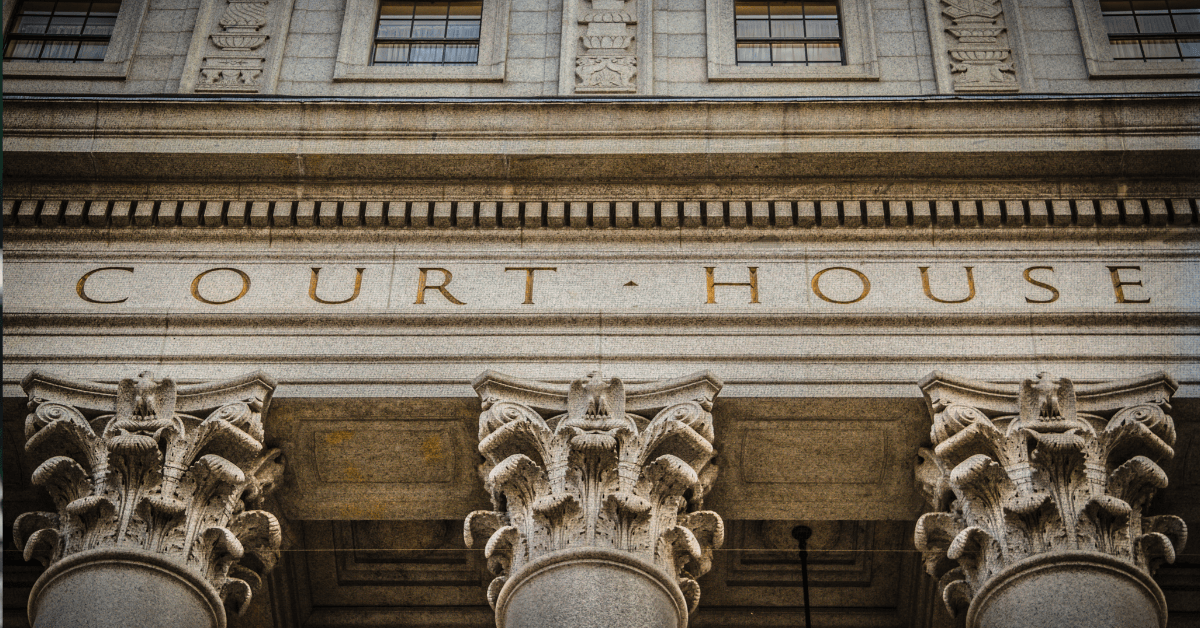
A federal court has ruled against the U.S. Department of Justice in its attempt to secure private medical records belonging to transgender minors treated at Children’s Hospital of Philadelphia on Nov. 25, 2025. The decision represents one of the strongest judicial rebukes of federal attempts to scrutinize gender-affirming care, setting a possible precedent for future cases involving patient privacy.
What Led to the Court’s Decision
The conflict began after the DOJ issued sweeping subpoenas targeting more than 20 medical providers connected to gender-affirming care for minors. The subpoenas demanded patient names, full clinical notes, dates of birth, home addresses, and even Social Security numbers — going back as far as January 2020. The department framed these requests as part of an investigation into possible healthcare fraud.
Families represented by the Public Interest Law Center and Ballard Spahr filed motions to quash the subpoenas, arguing they violated minors’ constitutional privacy rights and exposed families to retaliation or harassment.

In late November 2025, U.S. District Judge Mark A. Kearney ruled in favor of the families, calling the DOJ’s demands “virtually unlimited in scope” and concluding that the department lacked statutory authority to obtain the information. The decision emphasized that the minors’ medical and mental-health records are constitutionally protected.
The Philadelphia Inquirer also reviewed the court filings, reporting that the judge rejected the subpoenas not only because of privacy concerns but because the DOJ offered no narrow or targeted justification for the broad request.
Does the DOJ Plan to Appeal?
As of now, the Justice Department has not committed to appealing the ruling. Officials have stated that the decision is under review.
Legal experts note that an appeal could significantly raise the stakes. If a higher court affirms the ruling, it may restrict the DOJ’s ability to subpoena medical data involving minors in other investigations. Conversely, should the DOJ choose not to appeal, the ruling will remain a district-level precedent but still serve as a strong signal to states and medical institutions.
Advocates warn that an appeal could deepen fear among families seeking gender-affirming care, who already face political pressure and threats to privacy. Some hospital systems have expressed concern that a broader ruling could chill clinicians’ willingness to provide medically necessary care, fearing federal intrusion.
Why This Ruling Matters
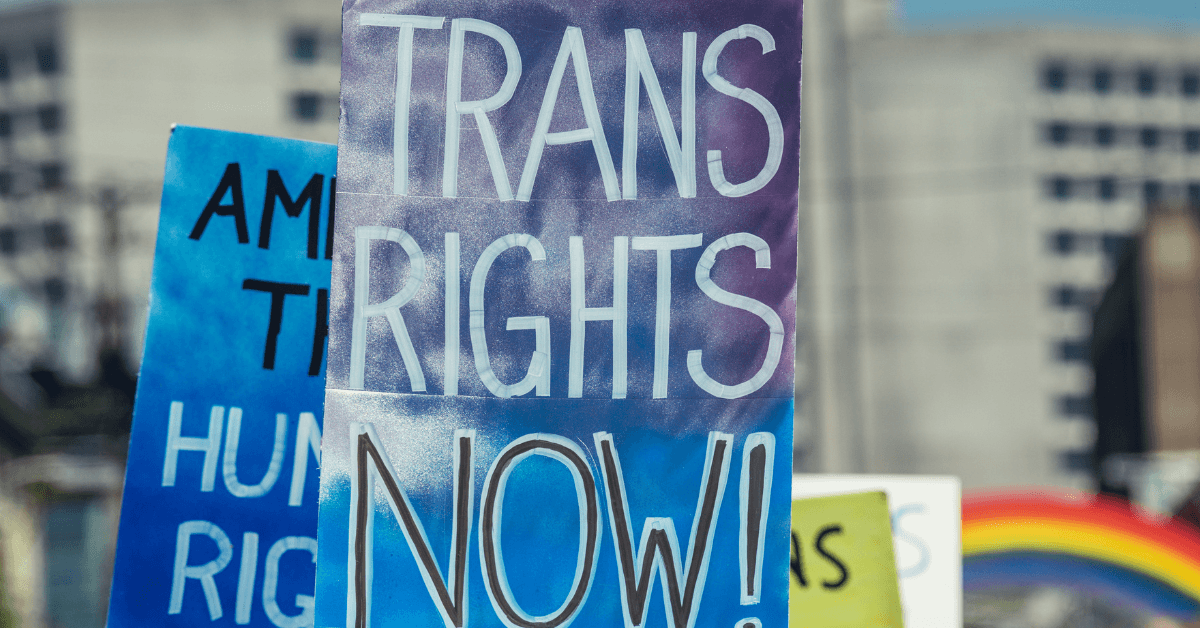
The decision comes at a time when gender-affirming care is facing unprecedented legal scrutiny at both federal and state levels. By rejecting the DOJ’s demand, the court reaffirmed that minors receiving such care retain full constitutional privacy rights — and that political controversy does not lessen those protections.
The attempted subpoena was one of the broadest ever issued for transgender youth medical data. If granted, it could have exposed thousands of families to surveillance and potential harassment. Instead, the ruling creates a judicial barrier against overreach and signals that courts may scrutinize similar actions elsewhere.
For families in Pennsylvania and beyond, the decision is a temporary relief and a symbolic victory. But the possibility of an appeal means the outcome is not fully settled. The eyes of healthcare providers, civil rights groups, and trans families are now on the DOJ’s next move.
What do you think about the court’s decision? Should the DOJ appeal, or is it time to step back? Drop your thoughts in the comments — we want to hear from you.