BY: Nick Fulton
Published 7 months ago
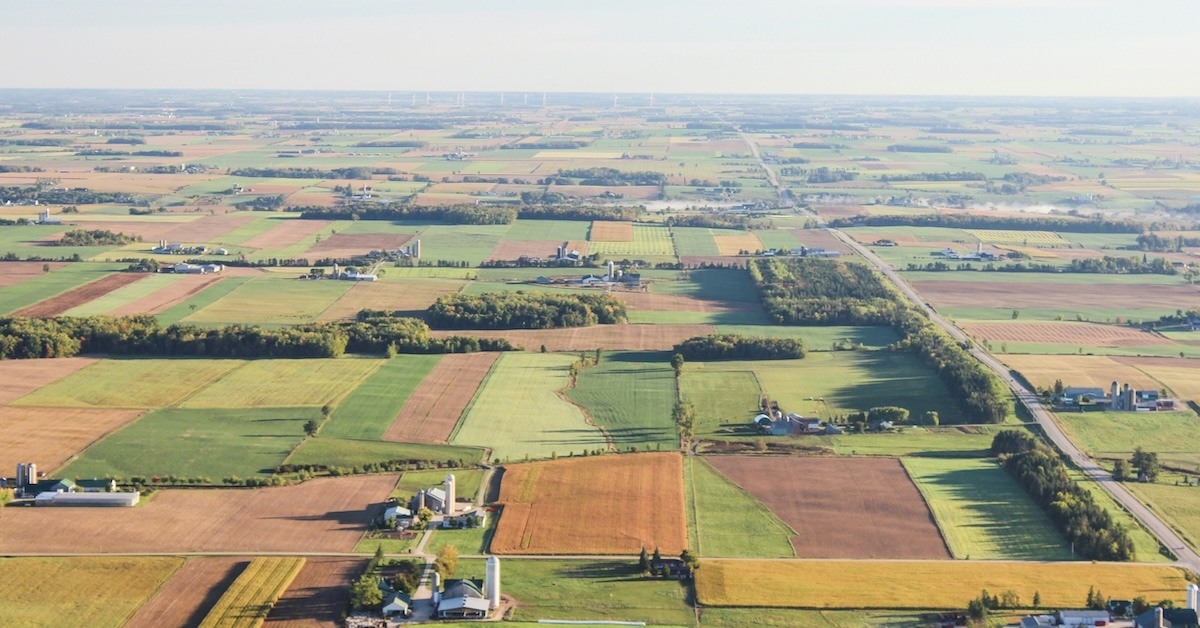
Rural communities face distinct and often overlooked challenges in HIV prevention, driven largely by geography, limited healthcare infrastructure, and persistent stigma. While major cities tend to have robust sexual health services, including widespread testing sites and access to preventive medications like PrEP, rural areas frequently lack these essential resources. The result is a disparity in prevention efforts that leaves many individuals at higher risk despite lower population density.
One of the most significant barriers in rural HIV prevention is physical access to care. Clinics and testing centers may be few and far between, requiring individuals to travel long distances, even hours, to receive services. For those without reliable transportation or flexible work schedules, this barrier alone can deter routine testing or follow-up care. Additionally, rural healthcare facilities may not always have providers trained in HIV prevention or comfortable prescribing PrEP, further limiting access.
Beyond geography, stigma plays a powerful role. In smaller communities where anonymity is harder to maintain, individuals may fear being recognized when seeking HIV-related services. This concern can discourage people from getting tested or discussing sexual health openly with providers. Combined with limited sexual health education in some rural areas, misinformation and lack of awareness about prevention tools persist.
Getting Care Anywhere
Despite these challenges, innovative solutions are emerging to bridge the gap. Mobile clinics have become a critical tool, bringing testing and education directly to underserved areas. These clinics can operate at community events, local fairs, or designated stops, reducing the need for long-distance travel and increasing visibility of services in a more approachable setting.
Telehealth has also transformed the landscape of rural HIV prevention. Through virtual consultations, patients can speak with knowledgeable providers, receive prescriptions for PrEP, and access ongoing care without leaving their homes. This approach not only overcomes geographic barriers but also offers a level of privacy that can reduce stigma-related concerns. For example, Mistr provides an accessible way for individuals to connect with licensed providers, obtain PrEP, and receive at-home testing kits.
Community Coming Together
Community partnerships are another key component. Collaborations with local organizations, faith groups, and schools help tailor education and outreach efforts to the specific needs and cultural contexts of rural populations. By working with trusted community figures, public health initiatives can build credibility and encourage more individuals to engage with prevention services.
Ultimately, addressing HIV prevention outside major cities requires a multifaceted approach that acknowledges both structural and cultural challenges. Expanding telehealth, investing in mobile services, and strengthening community-based outreach can collectively reduce disparities. As technology and innovation continue to evolve, there is growing potential to ensure that where someone lives no longer determines their ability to protect their health.
Have you ever lived in a rural community? If so, did you face any challenges when trying to access resources?
About Mistr
Mistr is a gay-owned and operated online platform that brings together doctors, pharmacists, and industry minds to provide resources and PrEP to folks in need. Instead of relying on insurance providers to approve the purchase of PrEP, Mistr cuts out the middleman to help people get their prescriptions covered.