BY: STAFF
Published 6 months ago

A new Emory University study published Dec. 1 in the Journal of the American Medical Association finds that MISTR, a national telehealth platform for HIV prevention, is now providing pre-exposure prophylaxis, better known as PrEP, to nearly one in five users in the United States, an indicator of how virtual care is rapidly transforming the country’s HIV-prevention landscape.
Researchers analyzed de-identified data from 2018 through 2025, comparing MISTR’s patient population with national PrEP uptake estimates from the CDC and AIDSVu. They reported that 19% of people using PrEP in the U.S. received their medication through MISTR’s online system. The study also found that 36% of MISTR patients were uninsured and that more than 80% completed at-home testing for HIV and sexually transmitted infections.
The findings underscore the growing role of telehealth in reaching populations historically underserved in clinic-based prevention. “The findings demonstrate that telePrEP is contributing meaningfully to PrEP delivery in the United States,” said lead author Dr. Aaron Siegler, an associate professor at Emory University. “This model appears to improve accessibility for populations underrepresented in traditional clinic-based care.”
Accessibility is Number One
A central focus of the analysis was MISTR’s use of the federal 340B Drug Pricing Program, which requires pharmaceutical manufacturers to provide medications at discounted prices to eligible health organizations. According to the study, MISTR reinvests 340B savings to cover laboratory work, physician consultations, prescription services, and telehealth visits for both insured and uninsured patients. The researchers highlighted this reinvestment strategy as a “model for effective and transparent use” of the program.
Another notable finding involves DoxyPEP, an emerging tool for STI prevention in which a single dose of doxycycline is taken within 72 hours after sex. MISTR offers DoxyPEP for free as an optional add-on to PrEP. The study reports that the intervention has reduced STI infections by half among MISTR patients.
“This study is validation that our model works and that telehealth can help end HIV and reduce STIs in the U.S. without costing patients or taxpayers a penny,” said Tristan Schukraft, founder and CEO of MISTR. “When care is free, fast, and stigma-free, people use it.”
Public-health leaders across the political spectrum cited the findings as evidence for strengthening federal protections around 340B and expanding support for telehealth services. Harold Phillips, CEO of the National Minority AIDS Council, said the telePrEP model is “essential” for communities of color amid “declining health insurance provisions” and new biomedical tools. Carl Schmid, executive director of the HIV + Hepatitis Policy Institute, called MISTR an example of how 340B “should work,” saying Congress should maintain programs that deliver measurable results.
MISTR’s Impact is Deeper than Telehealth
MISTR’s reach is driven in part by marketing that emphasizes community visibility and sex positivity. The company says its efforts, spanning digital campaigns, nightlife activations, and community events, aim to reduce stigma and normalize conversations about sexual health. Its National PrEP Day campaign reportedly connected with millions online and helped drive new enrollments.
In addition to PrEP and DoxyPEP, MISTR and its companion platform SISTR are enrolling patients for access to Yeztugo, a long-acting injectable PrEP option taken once every six months. Both platforms offer free PrEP regardless of insurance status and cover related labs, consultations and shipping.
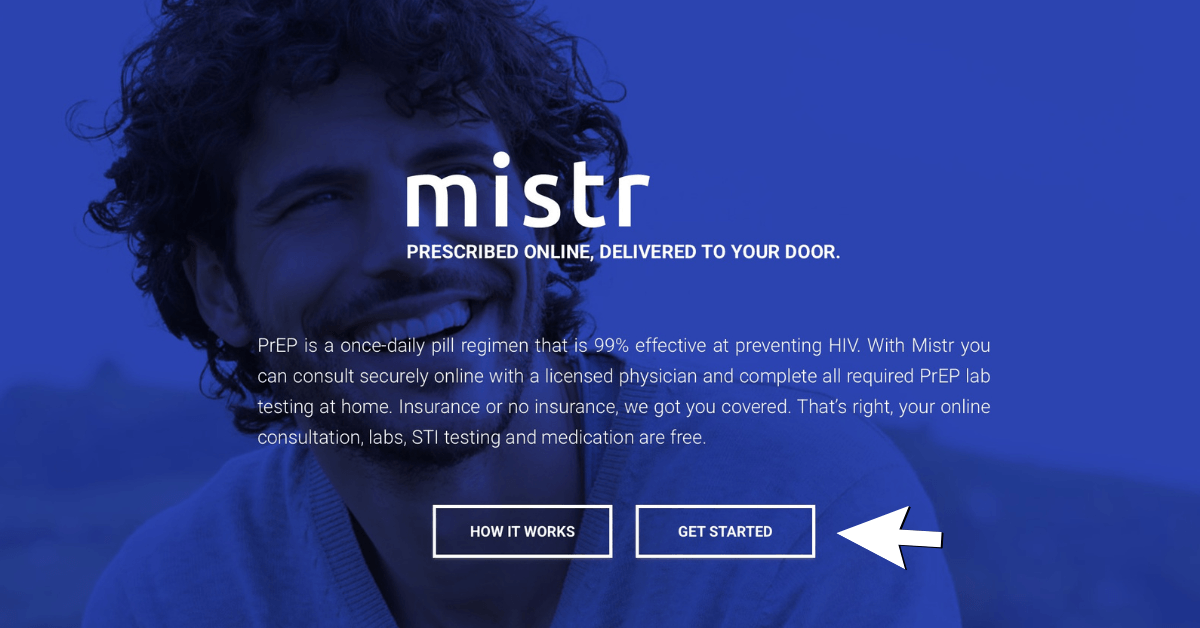
The full Emory study is available online. Users can sign up for free PrEP services with MISTR here.