BY: Kara Johnson
Published 9 months ago
For decades, the search for safety, acceptance, and a shared identity has naturally drawn LGBTQIA+ individuals to metropolitan areas. Life in big cities often offers greater anonymity, stronger legal protections, and a critical mass of like-minded people. This collective movement has led to the development of specific, vibrant, and robust communities often referred to as “gay neighborhoods in the US.” These areas are far more than just a cluster of bars and rainbow flags; they serve as cultural epicenters, historical landmarks, and crucial support systems for the entire queer community.
The importance of these concentrated LGBTQIA+ areas cannot be overstated. They are historical markers where the fight for queer rights was organized and won. They are economic engines that support queer-owned businesses and artists. Most importantly, they offer a refuge where individuals can walk down the street holding hands, feeling completely free from judgment or fear. These neighborhoods demonstrate that, while visibility and acceptance have increased across the country, the need for dedicated spaces of community, culture, and solidarity remains absolutely vital for the well-being and continued progress of the LGBTQIA+ community.
The Magnetism of Metropolis: Why Queer Folks Flock to Big Cities
The LGBTQIA+ trend toward metropolitan cities reflects necessity and opportunity. Big cities usually boast anti-discrimination ordinances for housing and employment. This offers legal security often unavailable in rural areas. The sheer diversity and density of urban life increase this fundamental safety. Metropolitan areas offer more cultural institutions and health services. They also host more political organizations serving the queer community.
These factors create a potent magnet, driving population growth. This solidifies these areas as economic and social powerhouses. More LGBTQIA+ residents generate a self-sustaining cycle of growth. This cycle leads to more queer-owned businesses and social services. It creates a vibrant culture attracting others seeking belonging. Understanding this necessity illuminates why these dedicated gay neighborhoods in the US remain essential.
Iconic Gay Neighborhoods in the U.S.
The Castro District (San Francisco, Calif.)
No discussion of gay neighborhoods in the US is complete without starting in The Castro. Located in the heart of San Francisco, the Castro District is arguably the world’s most historically significant queer neighborhood. It gained prominence in the 1960s and 70s as a political and social center, producing figures like Harvey Milk. Today, it remains a bustling hub defined by its historic movie theater, rainbow crosswalks, and a palpable sense of history and pride. The Castro is a living museum of the LGBTQIA+ movement.
West Hollywood (WeHo) (Los Angeles, Calif.)
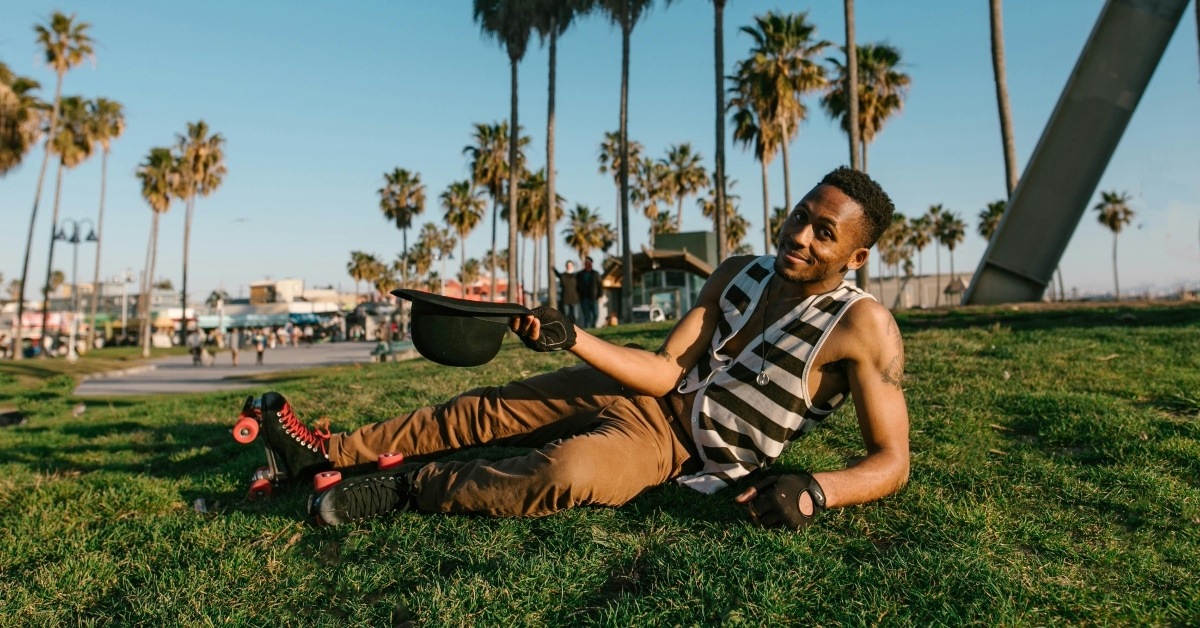
The city of West Hollywood, commonly referred to as WeHo, is unique in that it is a standalone municipality, not just a neighborhood. Incorporated in 1984 with a progressive charter, WeHo boasts one of the highest concentrations of LGBTQIA+ residents in the nation. Its famed Santa Monica Boulevard strip is lined with iconic bars, restaurants, and shops. The area is renowned for its glamorous nightlife, high-profile residents, and hosting one of the country’s biggest annual Halloween Carnaval events.
The Village (New York City, N.Y)
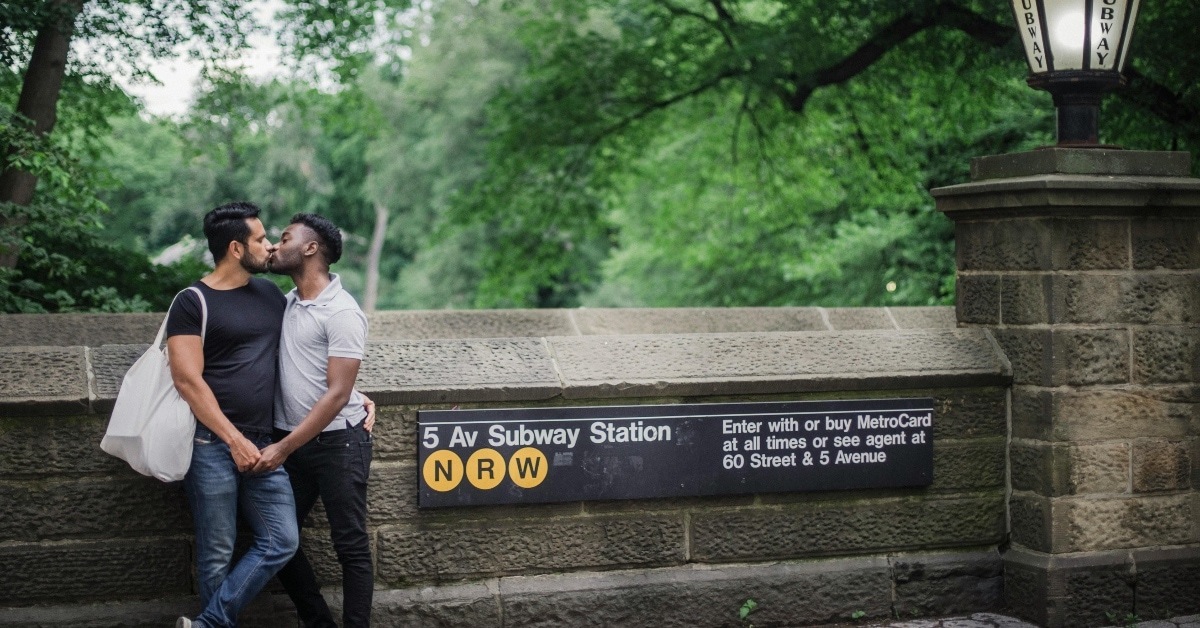
While many areas of NYC claim queer history, Greenwich Village, specifically the area around the Stonewall Inn, is the spiritual birthplace of the modern movement. Though much of the original, gritty scene has changed, the legacy remains paramount. The Village offers a mix of historic queer bars, independent bookstores, and cultural institutions, standing as a testament to the community’s resilience and revolutionary origins. It is a historical pilgrimage site for the global LGBTQIA+ community.
Dupont Circle and Logan Circle, (Washington, D.C.)
In the nation’s capital, Dupont Circle was historically the anchor for queer life, particularly during the AIDS crisis. In recent years, the energy has expanded into the nearby Logan Circle and 17th Street corridors. This area is known for its blend of political activism and sophisticated urban living. The concentration of nonprofits, think tanks, and political organizations gives D.C.’s gay scene a distinctive, civic, and advocacy-focused flavor.
The Boystown (Northalsted) (Chicago, Ill.)
Known officially as Northalsted, the section of the Lakeview neighborhood in Chicago adopted the moniker Boystown and was the first officially recognized gay village in the United States. This area is famous for its massive rainbow pylons that line the streets and its non-stop nightlife. Northalsted hosts numerous major events, including Market Days and the Pride Parade, offering a vibrant and dedicated commercial strip for the Midwest LGBTQIA+ community.
The Montrose (Houston, Texas)
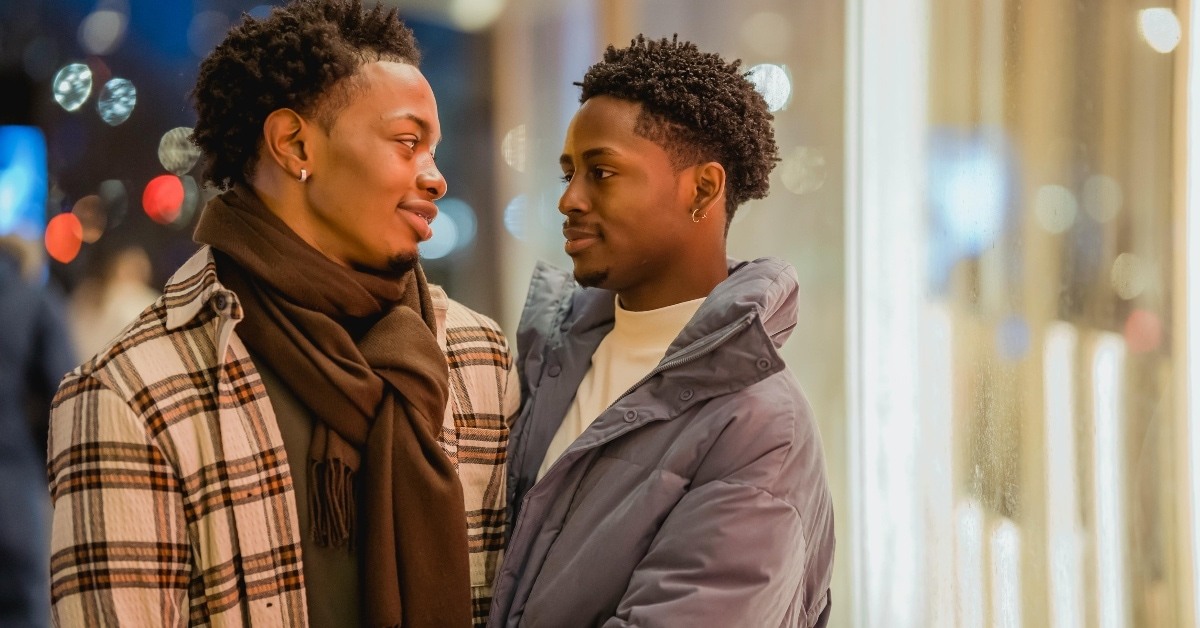
As a surprising anchor in the South, the Montrose neighborhood of Houston is one of the largest and most dynamic queer communities in the nation. It offers a counter-narrative to the perception that queer life only thrives on the coasts. The Montrose is home to numerous LGBTQIA+ centers, theaters, and established bars. Its resilience and deep roots demonstrate the enduring power of community building in every corner of the US, making it a vital example of regional queer life.
Protecting Cultural Pillars and Community Spaces
Societal acceptance of LGBTQIA+ people has grown significantly. Dedicated gay neighborhoods in the US now face new challenges, primarily gentrification. As these areas become desirable, rising rents threaten businesses and residents. Protecting these areas requires intentional community action and preservation efforts. Programs must support affordable housing and commercial space for residents and queer-owned ventures. The legacy of these neighborhoods is too important to lose. They serve as vital cultural archives and support networks. These neighborhoods are visible symbols of pride and progress for the entire LGBTQIA+ movement. Understanding the value of places like the Castro ensures they remain anchors of queer life. This proves that the need for community spaces is truly timeless.
What element — be it history, nightlife, or community services — do you think is most important for a modern gay neighborhood in the U.S. to maintain? Let us know in the comments.