BY: STAFF
Published 9 months ago

Despite remarkable medical advances in HIV prevention over the past decade, significant gaps have persisted in the U.S. public health system’s ability to deliver those tools to the people who need them. PrEP, when taken consistently, reduces the risk of acquiring HIV by up to 99%. Yet only about one in four people eligible for PrEP in the United States are currently using it, leaving millions vulnerable to infection.
Picking Up Where Traditional Systems Can’t Reach
Traditional healthcare systems have struggled to reach underserved groups, particularly uninsured individuals, rural residents, and communities of color. Due to cost barriers, lack of culturally competent care, limited clinic availability, and stigma associated with sexual health services. These obstacles have contributed to persistent disparities: for example, Black women account for more than half of new HIV diagnoses among women but represent only about 9% of PrEP users.
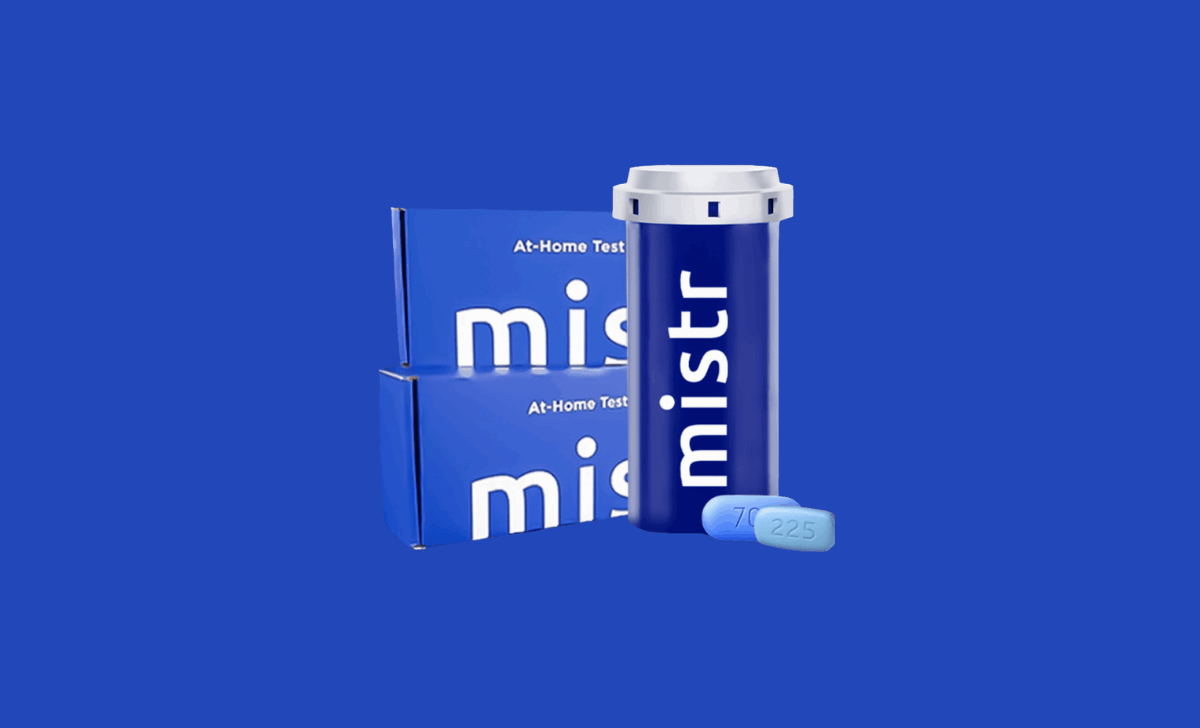
In this challenging landscape, telehealth has emerged as a transformative approach to HIV prevention. Digital platforms like MISTR and its companion service SISTR deliver PrEP, STI testing, and other preventive services online, sidestepping many of the systemic barriers inherent in traditional care. This model is demonstrably reshaping access and outcomes.
Impact Backed by Science
A landmark study published in the “Journal of the American Medical Association” confirms that telehealth has become a cornerstone in national HIV prevention efforts. Researchers at Emory University’s Rollins School of Public Health found that nearly 20% of U.S. PrEP users received their medication via telemedicine by 2024. An increase from less than 1% in 2019 and roughly 9% in 2022.
Analysis of national data showed that the telehealth model, represented largely by platforms such as MISTR, now serves approximately 19% of Americans using PrEP, with 36% of those patients uninsured and more than 80% completing at-home HIV and STI testing. Such reach underscores telehealth’s ability to bridge geographic, financial, and social divides that have historically limited prevention access.
MISTR has rapidly scaled its services, serving over 500,000 patients nationwide across all 50 states, Washington, D.C., and Puerto Rico. The platform offers free PrEP, STI testing, DoxyPEP (a post-exposure bacterial STI prevention medication), and long-term HIV care, with no out-of-pocket costs for consultations, labs, prescriptions, or shipping. In its first year of providing DoxyPEP, MISTR documented a more than 50% reduction in STI positivity among its patients.
Pricing, Product, and Promise
Central to the telehealth model’s expansion is its integration with federal drug pricing mechanisms. For example, savings from the 340B Drug Pricing Program help subsidize services for insured and uninsured patients alike. A structure highlighted by researchers as a scalable way to fund equitable prevention without patient cost burdens.
Beyond direct service delivery, MISTR and SISTR are shaping broader public health engagement. In 2025, the platforms launched the first-ever National PrEP Day campaign. A coordinated effort combining social media, community events, and local outreach to drive 10,000 new PrEP users in 10 days. The campaign focused especially in priority jurisdictions identified by the federal Ending the HIV Epidemic initiative.
The surge in telehealth use for HIV prevention demonstrates that decentralized models can reach populations historically underserved by brick-and-mortar healthcare systems. By removing traditional barriers like cost, location, stigma, and clinic wait times. Telehealth is not only widening access but also contributing to measurable improvements in sexual health outcomes. In the fight against HIV, these digital platforms represent a critical frontier for public health innovation and equity.