BY: STAFF
Published 9 months ago

Freedom is often discussed in emotional or cultural terms, but for many people, it is deeply financial. Nowhere is that more evident than in access to health care, where cost can determine whether prevention is possible at all. In the case of HIV prevention and PrEP, price has long been one of the biggest obstacles. Telehealth services such as MISTR and its sister platform, SISTR, are reshaping that reality by tackling the economic barriers head-on.
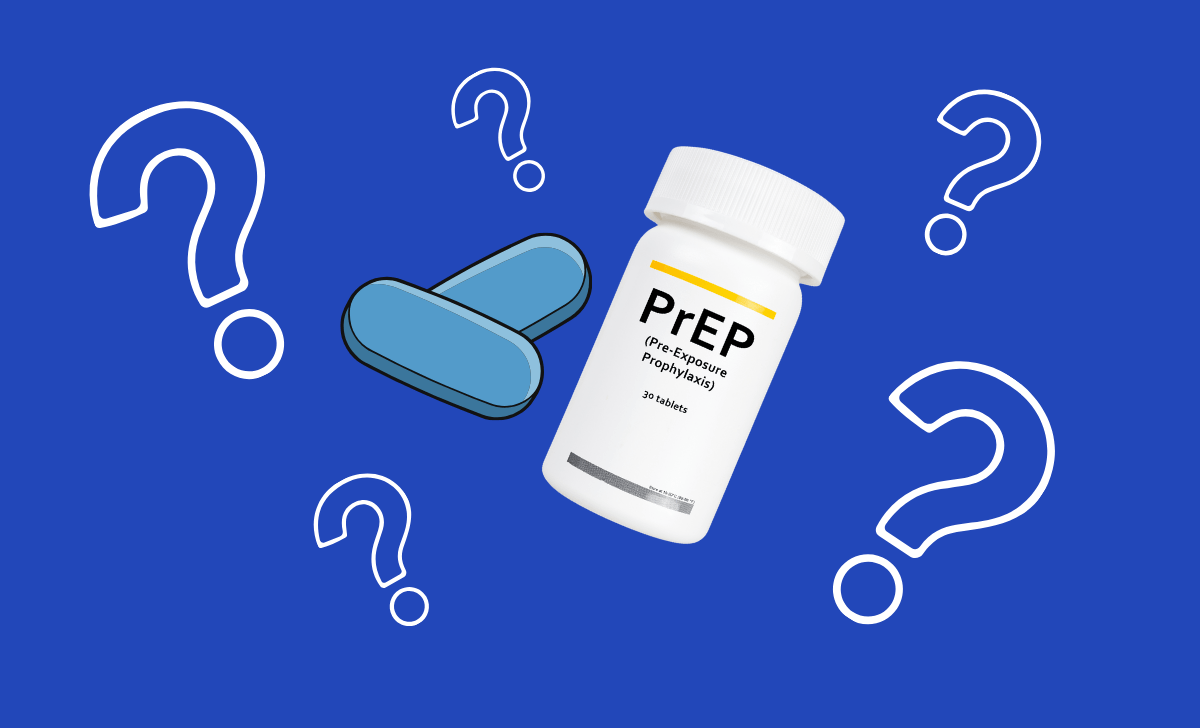
PrEP is an FDA-approved medication that prevents HIV when taken as prescribed. According to the Centers for Disease Control and Prevention, PrEP reduces the risk of acquiring HIV from sex by about 99%. Despite its effectiveness, PrEP uptake remains far below public health goals. One reason is cost: without insurance, PrEP medication and the required lab work can cost thousands of dollars per year, putting it out of reach for many people.
Solutions to Cost as a Barrier to Care
That price tag has historically limited access, particularly for people who are uninsured, underinsured, or wary of navigating complex health systems. Even with insurance, copays, and deductibles can stack up. Financial uncertainty can turn a preventive tool into an unrealistic option, discouraging consistent use and undermining long-term adherence.
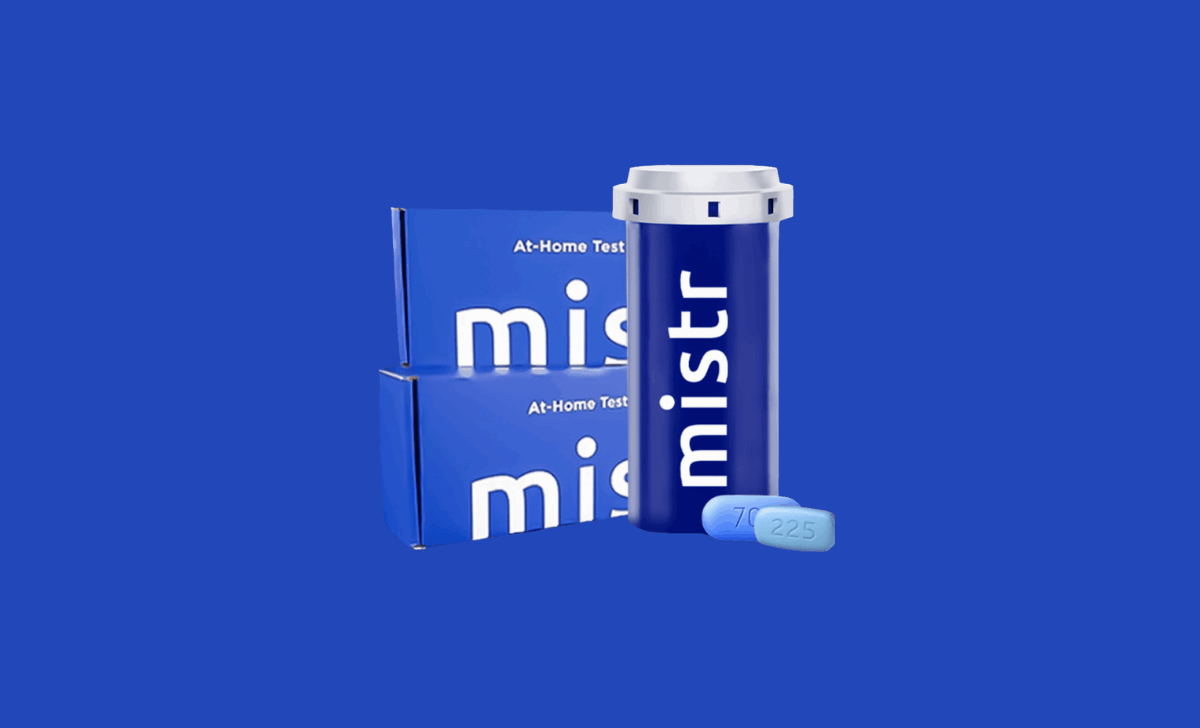
MISTR and SISTR were designed to remove those hurdles. Operating through a telehealth model, the services help users access PrEP by coordinating insurance benefits, manufacturer assistance programs, and federal prevention initiatives. For many users, this means PrEP medication, lab testing and shipping are provided at no cost. For others, costs are significantly reduced, depending on individual coverage and eligibility.
A Shifting Prevention Industry
This approach reflects a broader shift in how prevention is delivered. Instead of expecting patients to navigate multiple offices, bills and forms, the financial logistics are built into the service itself. That design recognizes cost as a real-world barrier, not a personal failure. A recent study found that nearly 20% of people taking PrEP in the U.S. now receive their prescriptions through telemedicine, a dramatic rise from less than 1% just a few years ago — a sign that remote care models are expanding access.
From a lifestyle perspective, affordability changes the relationship people have with their health. When prevention does not come with financial stress, it becomes more sustainable. PrEP can be treated like other routine health expenses that are planned for — or, in this case, often removed altogether. That stability allows users to focus on consistency rather than cost.
The economic impact extends beyond individual budgets. Increasing PrEP access is widely recognized as a cost-effective public health strategy, reducing future medical costs associated with HIV treatment. Lowering financial barriers to prevention aligns personal freedom with collective benefit.
In a health care system where affordability often dictates access, the financial model behind MISTR and SISTR represents a meaningful shift. By addressing insurance navigation and cost upfront, these platforms make PrEP less about what someone can afford and more about how they choose to care for themselves.