BY: Nick Fulton
Published 8 months ago
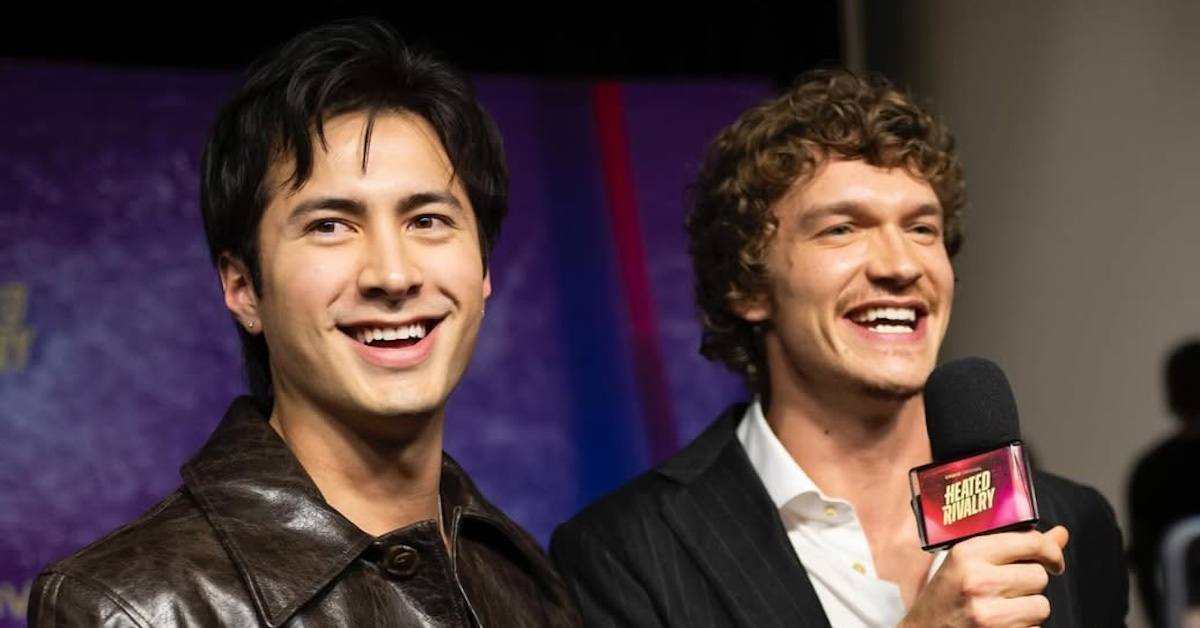
When “Heated Rivalry” premiered on HBO Max and Crave in late November 2025, few could have predicted just how quickly it would become a cultural obsession. From a faithful adaptation of Rachel Reid’s Game Changers novels into a streaming phenomenon that has redefined queer storytelling for a broad television audience.
The six-episode first season follows rival professional hockey stars Shane Hollander (Hudson Williams) and Ilya Rozanov (Connor Storrie) as they navigate a secret, evolving love affair over several years, against the backdrop of the hyper-masculine world of elite sport.
An Intimate Look at Queer Relationships
From its very first episodes, the show has been unapologetic about depicting male queer intimacy as a natural, meaningful part of its characters’ lives. This approach has helped normalize gay sexuality as just another facet of authentic romantic life. Episodes regularly depict sex in ways that highlight consent, emotional vulnerability, and mutual respect. As showrunner Jacob Tierney has explained, the series’ intimacy scenes are scripted deliberately and with care, enabling actors and audiences alike to see these moments as natural parts of human connection rather than gratuitous add-ons.
Critics have largely embraced this sex-positive framing. On Rotten Tomatoes, “Heated Rivalry” holds a 96% critics’ approval rating, with praise aimed at both its passionate central performances and its willingness to combine romance, humor, and raw emotional depth.
Audience reaction has been equally strong. Episode 5, “I’ll Believe in Anything,” achieved a rare perfect 10/10 user rating on IMDb, only the second episode in television history to reach that score.
Criticism and Inclusive Casting
While queer stories are rarely mainstream, they even more rarely feature openly LGBTQIA+ actors. The show’s primary storyline actors, Hudson Williams and Connor Storrie, have not revealed their sexuality publicly. Some of the most infamous gay acting gigs have been occupied by straight, cis-gender actors. As queer representation on screen and in casting remains disconnected, the show’s success has also drawn criticism for its storyline.
Some critics say that the series relies too heavily on the hypermasculine. Telling the stories about queer people that are easy to fetishize and digest for mass consumers. In a review for “Slate,” Jim Downs writes, “If gay stories like “Heated Rivalry” still feel unfinished, it may be because they keep stopping at the closet door.”
What’s Next for Your Gay Hockey Obsession
Looking forward, “Heated Rivalry” is already renewed for a second season, with creator Jacob Tierney confirming that the journey of Shane and Ilya will continue. Plans include broader international distribution and deeper dives into the characters’ lives beyond Season 1’s tightly contained arc.
In an entertainment landscape often cautious about queer representation, “Heated Rivalry” stands out for its boldness. Its success suggests that mainstream audiences are not just ready for gay sex-positive relationships on screen but eager to embrace them as meaningful, celebrated parts of contemporary storytelling.