BY: Nick Fulton
Published 9 months ago
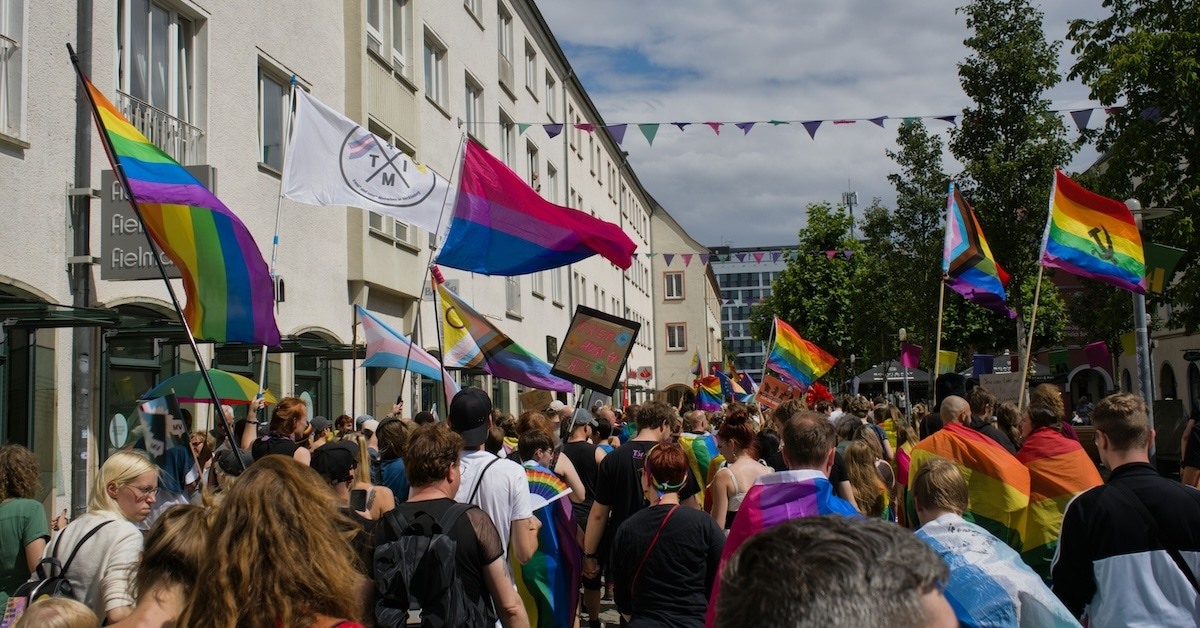
In recent months, several U.S. cities that typically host annual Pride celebrations have announced cancellations or significant changes to their 2026 events. Organizers cite a combination of political hostility, economic pressures, and safety concerns that reflect broader challenges for LGBTQIA+ communities nationwide.
Tampa Pride: Hiatus Amid Political and Economic Pressures
Tampa Pride, one of Florida’s most prominent LGBTQIA+ celebrations held annually in Ybor City, will not take place in 2026. Organizers announced a one-year hiatus of the Pride Festival, Diversity Parade and associated events, pointing to “the current political and economic climate” as the primary reason.
Specifically, the board highlighted challenges securing corporate sponsorships, loss of county, state and federal grants, and the discontinuation of diversity, equity, and inclusion (DEI) programs under Florida Governor Ron DeSantis as key factors that made sustaining operations untenable for the next year.
In a letter posted on Tampa Pride’s official channels, leaders acknowledged the festival’s significant financial contribution to local businesses and its vital role for the LGBTQIA+ community but said the organization must regroup and seek new funding avenues before resuming.
Arlington, Texas: Pride Suspended Over Loss of Legal Protections
In Arlington, Texas, Pride organizers have slated the city’s 2026 Pride celebration for suspension after the Arlington City Council refused to reinstate LGBTQIA+ anti-discrimination protections. The HELP Center for LGBTQ+ Health, which sponsors the annual event, cited safety concerns and the absence of even basic legal safeguards as the reason it could no longer in good conscience invite attendees to a celebration in a city that lacks explicit protections for sexual orientation and gender identity.
The underlying legislative context involves a suspended anti-discrimination ordinance originally passed in 2021 but paused in 2025 over fears, heightened amid federal discussions on DEI policies, that its wording could jeopardize federal funding. While city officials suggested reinstating protections could bring Pride back, organizers said the absence of these safeguards poses risks to attendees.
Fort Myers (Southwest Florida): Event Cancellations and Reorganization
In Fort Myers, Florida, Pride Southwest Florida did not hold its annual festival in late 2025, and earlier reports had indicated concerns about planning and sponsorship that left the event without a date. Local reporting noted that a lack of sponsorship dollars and planning time contributed to the cancellation, reflective of broader financial vulnerabilities in a climate where some businesses and funders are cautious amid political pressure.
While some sources indicate organizers and partner group Visuality, Inc. are working with the city on a new 2026 event location in downtown Fort Myers, the mixed messages underline how political debate and community divisions are complicating the continuity of Pride celebrations.
Political Backdrop: Economic Pressures and Legal Landscape
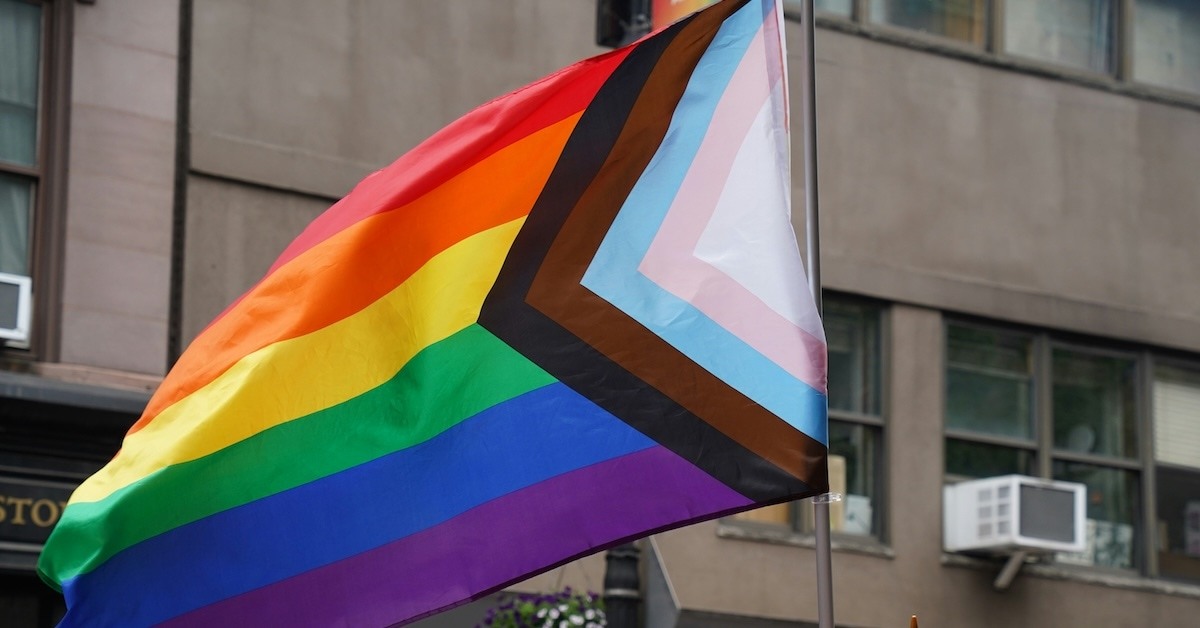
Across the United States, Pride celebrations are increasingly affected by state and federal policy environments that influence funding, public support, and community safety. In Florida, statewide directives have targeted fundraising streams and public expressions of identity such as rainbow crosswalks and DEI programs, prompting cities to balance compliance with federal and state standards against activism and visibility for LGBTQIA+ communities.
Organizers and advocates say that political rhetoric, legislative actions, and funding uncertainty have a chilling effect not only on Pride festivities but also on the broader ecosystem of support structures for LGBTQIA+ people, including healthcare, advocacy, and safe public spaces. Supported by decreased sponsorship and uncertainty about city and state backing, many local nonprofit groups are reassessing how to keep Pride alive while safeguarding participants.
What This Means for LGBTQIA+ Communities
For many LGBTQIA+ residents and allies, Pride celebrations are more than festivals, they are acts of visibility and community affirmation. When cities pause or cancel these events due to political and economic conditions, it highlights deep divisions in public life over the acceptance and equality of LGBTQIA+ people. Organizers in Tampa, Arlington, and elsewhere have pointed to the need for protective policies, stable funding, and inclusive governance as prerequisites for future celebrations.