BY: Nick Fulton
Published 2 months ago
Today, Glisten (formerly GLSEN) has released its 13th National School Climate Survey, offering a detailed look at the experiences of LGBTQ+ students across U.S. K–12 schools. Based on responses from 2,800 students collected between April and October 2024, the report highlights a persistent pattern: school environments remain challenging for many LGBTQ+ youth, yet supportive measures can significantly improve both well-being and academic outcomes.
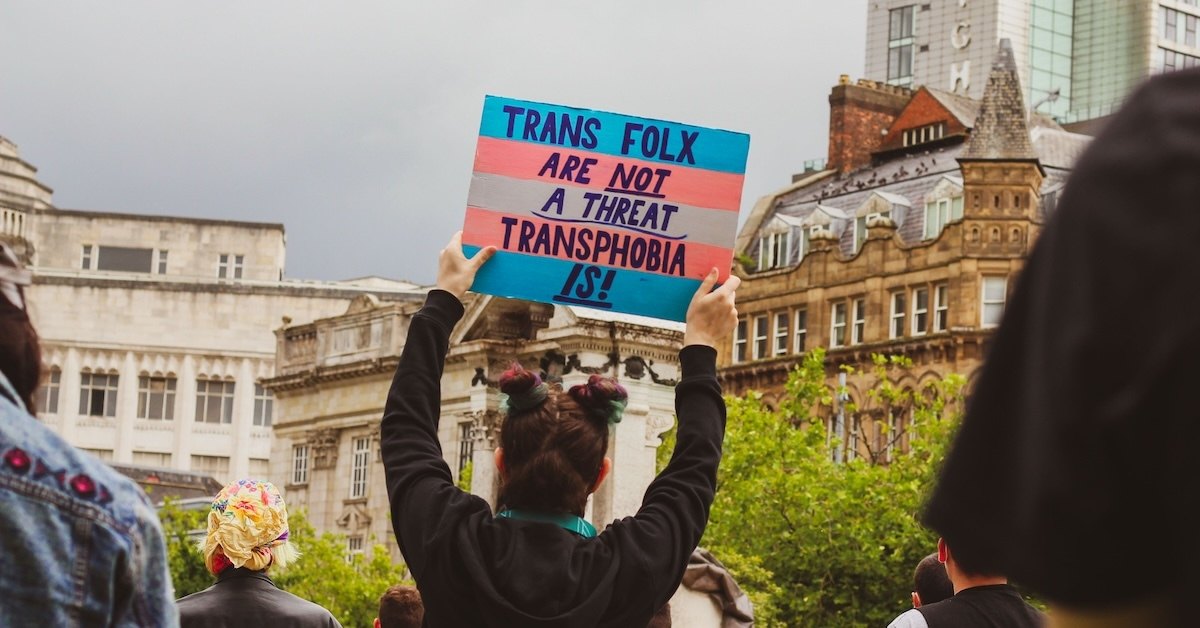
Queer Students Feel Unsafe at School
The survey results send a concerning message about student safety. Two-thirds of respondents reported feeling unsafe at school due to their sexual orientation, gender identity, or gender expression. For transgender students in particular, the challenges were acute. 86% said they avoided certain areas of their schools out of fear or discomfort. Meanwhile, nearly half of BIPOC LGBTQ+ students reported experiencing harassment tied to their race or ethnicity, underscoring the intersectional nature of discrimination.
Violence and harassment were recorded as typical experiences for LGBTQ+ students. According to the survey, 62% of students experienced verbal, physical, or online harassment because of their sexual orientation, while 68% reported similar treatment related to their gender identity or expression. More than half of respondents also encountered discriminatory practices, such as being barred from using facilities aligned with their gender identity. These findings suggest that despite growing awareness, many schools have yet to create consistently safe and inclusive environments.
Where Progress is Possible
At the same time, the report emphasizes that positive change is both possible and measurable. Students who reported having supportive educators, inclusive curricula, and access to Gender and Sexuality Alliances (GSAs) also reported stronger feelings of belonging and higher grade point averages. Anti-bullying policies that explicitly include protections for sexual orientation and gender identity were also linked to improved student outcomes. These findings reinforce the idea that institutional support plays a critical role not only in student safety but also in academic success.
Glisten CEO Melanie Willingham-Jaggers emphasized that safety in schools must go beyond simply preventing harm.
“Safety is not just the absence of harm; it is active affirmation. At a moment when young people’s identities are being debated and restricted, this study speaks truth to a menacing power. To educators, families, and policymakers: LGBTQ+ students are telling us what they need. The question is whether we are willing to listen and to build schools that don’t just tolerate them but actively affirm and protect their right to learn and belong,” said Willingham-Jaggers.
Ultimately, the 2025 National School Climate Survey serves as both a warning and a roadmap. It underscores the urgent need for safer, more inclusive schools while demonstrating that progress is achievable when institutions commit to meaningful support for LGBTQ+ students.